
The fast-casual dining sector has undergone a profound transformation over the last decade. As consumers prioritize speed, nutritional transparency, and high-quality ingredients, the demand for elevated, customizable meals has pushed traditional quick-service models to evolve. For many aspiring entrepreneurs, the allure of the restaurant industry lies in its ability to build community while providing a stable, high-demand product. Within this competitive landscape, the sandwich shop franchise opportunity stands out as a unique entry point, offering a blend of operational simplicity and strong consumer appeal.
Understanding the Business Model of Submarine Sandwiches
The enduring popularity of the submarine sandwich is rooted in its versatility. Unlike highly specialized food concepts that may struggle with fluctuating dietary trends, the sandwich model adapts effortlessly to changing consumer preferences. Whether it is the rise of keto-friendly wraps, gluten-free bread options, or a greater emphasis on locally sourced produce and premium deli meats, this model remains resilient.
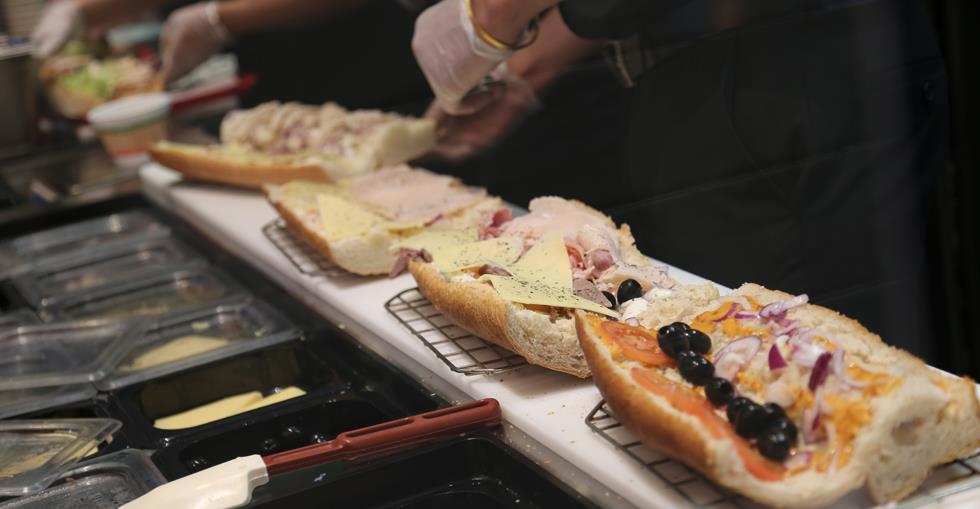
From an operational perspective, a submarine sandwich franchise offers significant advantages for a first-time business owner. The requirements for heavy-duty kitchen infrastructure—such as complex industrial ranges, deep fryers, and high-heat ventilation—are generally lower than in traditional sit-down or burger-focused restaurants. This leaner physical footprint not only reduces initial construction and equipment costs but also streamlines the daily workflow, allowing staff to focus on assembly, customer service, and food safety rather than intensive culinary preparation.
Why Investors Choose the Sandwich Market
The decision to pursue a sandwich shop franchise opportunity is often driven by the intersection of scalability and brand recognition. When you enter into a franchise agreement, you are buying into a proven set of systems. This removes much of the guesswork associated with launching a brand-new restaurant from scratch.
Key benefits often include:
- Supply Chain Efficiency: Established networks provide consistent access to high-quality ingredients, which is critical for maintaining flavor profiles and margins.
- Operational Training: Comprehensive training programs ensure that even owners without prior culinary experience can run an efficient, sanitary operation.
- Marketing Support: Being part of a larger network allows for coordinated marketing campaigns that reach a broader local and regional audience than an independent operator could typically manage on their own.
Furthermore, the fast-casual sandwich sector has shown remarkable durability during economic fluctuations. Because these restaurants serve as a convenient, affordable lunch staple for the workforce and a quick dinner solution for busy families, the business model often remains stable even when discretionary spending on high-end dining decreases.
Selecting the Right Location and Demographics
Success in the food service industry is rarely accidental; it is usually the result of careful geographical analysis. Even the best submarine sandwich franchises require the right environment to flourish. When evaluating potential markets, prospective owners must consider several location-specific factors that influence long-term profitability.
Analyzing Foot Traffic and Visibility
A sandwich shop thrives on accessibility. High-visibility locations near professional office parks, medical centers, or busy retail corridors are often prioritized because they capture the lunch crowd—the primary driver of consistent daily revenue. Proximity to local landmarks, such as transit hubs or popular community centers, can also provide a steady stream of patrons who are looking for a reliable meal on the go.
Understanding Regional Preferences
While the fundamental product is universal, local context matters. In metropolitan areas with a high density of daytime workers, speed and mobile ordering capabilities are paramount. In suburban settings, the focus may shift toward family-sized orders and catering opportunities for local schools or sports organizations. A successful owner will observe the rhythm of their specific community—whether that means tailoring the menu to suit regional tastes or adjusting store hours to match local commuting patterns.
The Importance of Operational Excellence
While the sandwich shop franchise opportunity provides a roadmap for success, the execution remains in the hands of the owner. A franchise is not a passive investment; it requires a proactive approach to management, team leadership, and guest experience.
Maintaining Quality Standards
The cornerstone of any successful franchise is consistency. A customer who visits a location in one part of the state should experience the same quality of service and ingredients as a customer in another. Rigorous adherence to corporate standards for food handling, cleanliness, and portion control is what protects the brand’s reputation. When standards slip, guest loyalty follows.
Investing in Your Team
Staffing is often the most significant challenge for new owners. Providing clear, supportive training and fostering a positive workplace culture is essential to reducing turnover. In a model centered on customer interaction, your team members are the face of your business. When staff feel valued and properly trained, that professionalism translates directly into better service, higher customer satisfaction ratings, and repeat business.
Long-Term Growth and Community Engagement
For those looking to expand beyond a single location, the multi-unit potential of a submarine sandwich franchise is a common objective. Once an owner has mastered the complexities of one shop, they can leverage those systems to open additional units. This scaling strategy allows for centralized management, optimized staffing across locations, and stronger negotiating power with suppliers.
Beyond the numbers, engagement with the local community is what anchors a franchise in the long term. Whether through sponsoring local youth sports, participating in community charity events, or simply being the preferred caterer for local businesses, a franchise that is seen as a community partner rather than just a faceless chain enjoys greater resilience and brand advocacy.
Preparing for Your Investment
Before committing to any franchise model, potential investors should perform thorough due diligence. This involves reviewing the franchise disclosure document (FDD) with legal and financial advisors, speaking with current franchisees, and carefully examining the initial capital requirements.
A submarine sandwich franchise requires not just the franchise fee and construction costs, but also adequate working capital to sustain the business during its initial growth phase. Understanding your financial runway and having a realistic view of the timeline to profitability is essential for any aspiring business owner.
The decision to open a business is significant, and the choice of a sector is the foundation upon which your future efforts will be built. By focusing on a model that emphasizes operational clarity, scalability, and a product with universal appeal, you position yourself to capture the inherent demand in the fast-casual market. Whether you are driven by the goal of building a family legacy or the desire to own a piece of your local economy, exploring these opportunities with a clear, strategic lens is the first step toward long-term professional independence.